Glendalough Valley Trails for Families
Walking routes around both lakes with manageable distances. Kids enjoy the forest paths and historic sites. Several rest spots and views that make the effort worthwhile.

Why Glendalough Works for Families
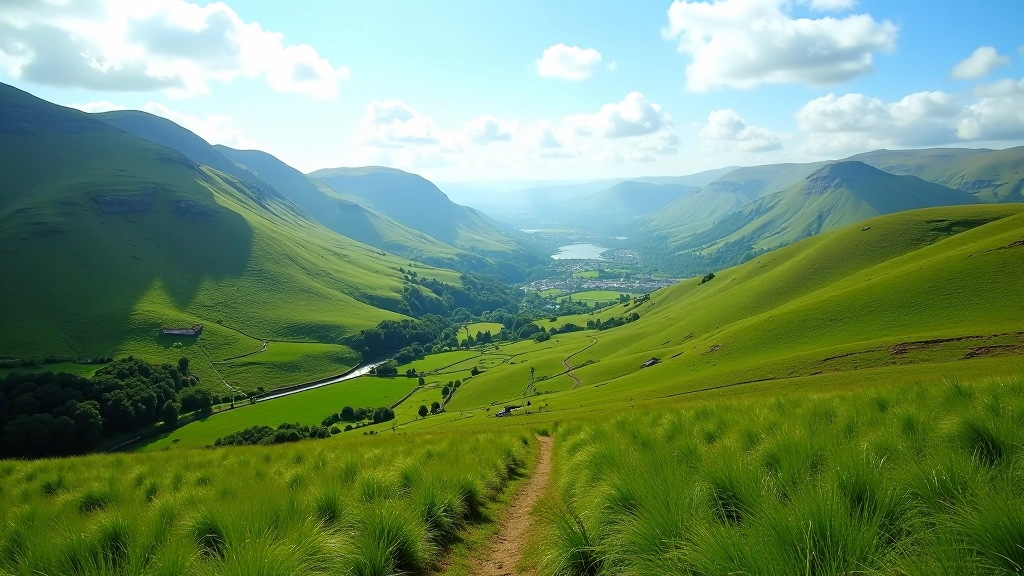
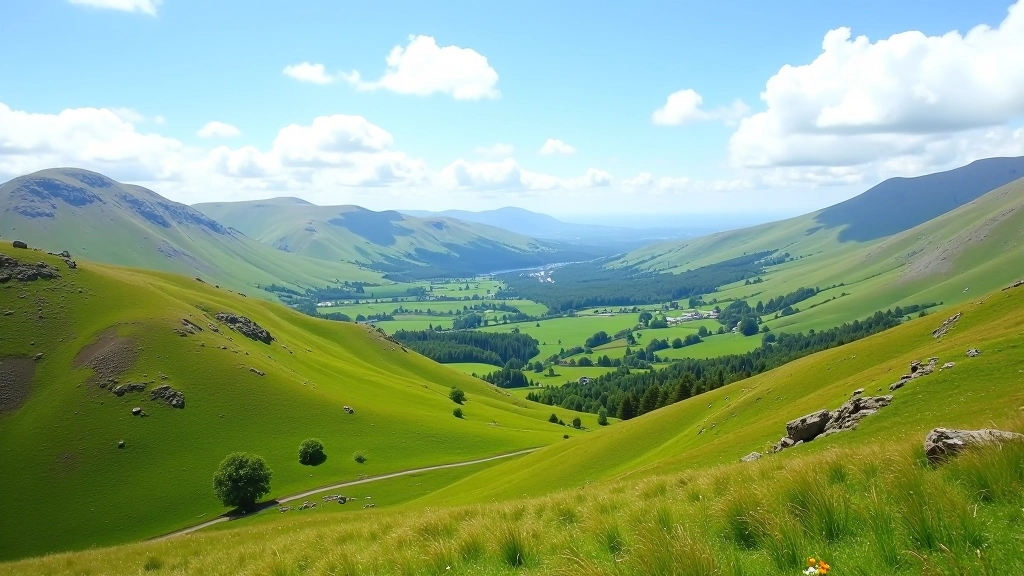
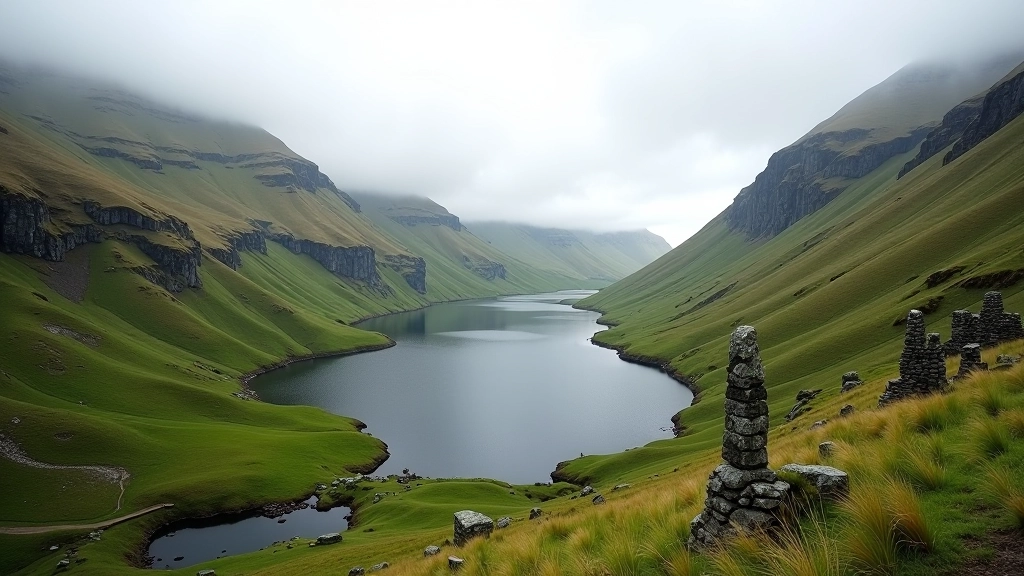
Glendalough's valley isn't just beautiful — it's genuinely doable for kids. The paths around both lakes are well-maintained and don't demand technical hiking skills. You're looking at 5-7 kilometers depending on which route you choose, which spreads nicely across a half-day or full day if you're taking your time.
What makes it special is the mix. You've got forest sections where kids feel like they're on an adventure, open lake views that make the walking worthwhile, and actual history — the monastic ruins and ancient round tower aren't just tourist attractions, they're genuinely interesting to explore. Plus there's real infrastructure: parking, information boards, and places to rest without feeling like you're camping out.
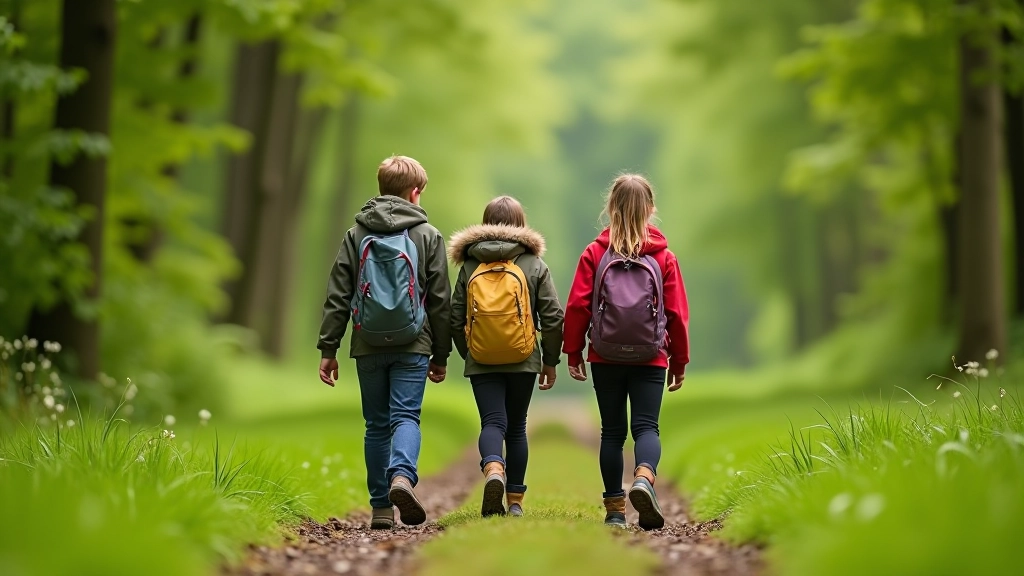
The Three Main Routes
You've got choices here, which is good because different families have different comfort levels. The Lower Lake loop is genuinely the easiest — it's about 4 kilometers and mostly flat with excellent paths. Most kids manage this without complaining, and it takes roughly 90 minutes at a relaxed pace.
Lower Lake Circuit
4 km, 90 mins. Flat terrain, excellent signage. The round tower and monastic buildings are right here. Kids like spotting the ancient stonework.
Upper Lake Extension
6.5 km, 2.5 hours. Includes the Upper Lake with views from higher elevations. One steeper section but manageable for kids aged 8+. Quieter than Lower Lake.
Combined Both Lakes
7.5 km, 3-3.5 hours. Full experience connecting both lakes. Best for families with older kids or experienced young walkers. Brings you past Spinán Waterfall.
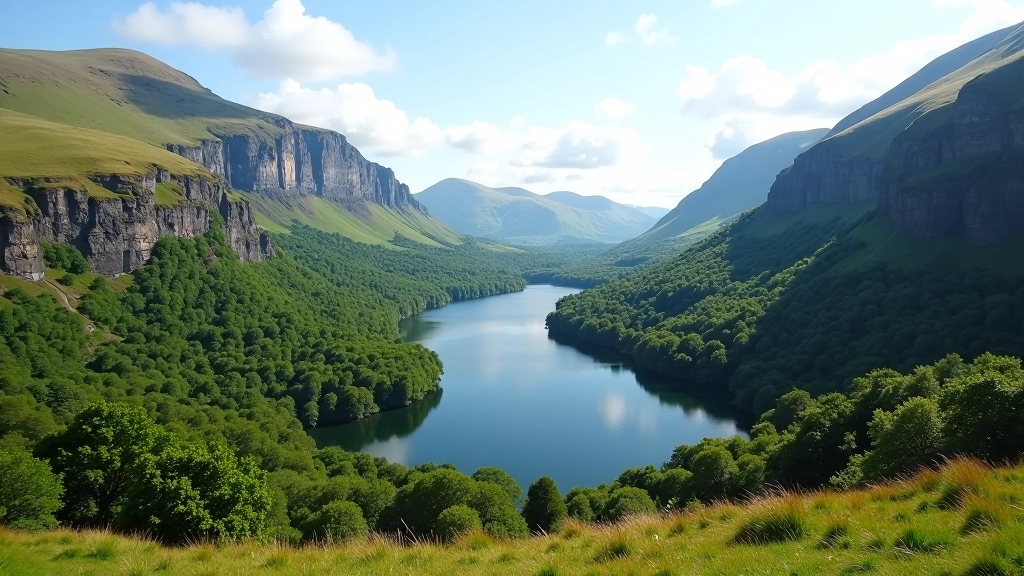
What Actually Makes It Work
Glendalough's infrastructure is genuinely helpful. There's a visitor center with bathrooms (critical with kids), water fountains, and information that actually explains what you're looking at. The parking is substantial — you won't spend 20 minutes hunting for a spot.
The paths themselves are the real win. They're not rocky scrambles or boggy nightmares. Most sections are well-graded forest trail or cleared stone paths. Even after heavy rain they're walkable without becoming a mud pit. Signage is clear — you're not navigating by GPS and hope.
Rest spots matter more than people think. There are benches along the Lower Lake, natural rock ledges where you can sit and eat, and genuine scenic overlooks where kids actually want to pause. It's not like grinding up some exposed mountainside where there's nowhere to stop.
When to Go & What to Bring
Spring and early autumn are genuinely best. May through September keeps things dry-ish and the paths are passable. Avoid July-August if you hate crowds — it's packed with tourists and school holidays. April and October work fine, just be ready for rain and shorter daylight.
Waterproofs are non-negotiable. Even when it's not raining, the forest drips for hours after. Lightweight pack-down jackets work better than heavy shells.
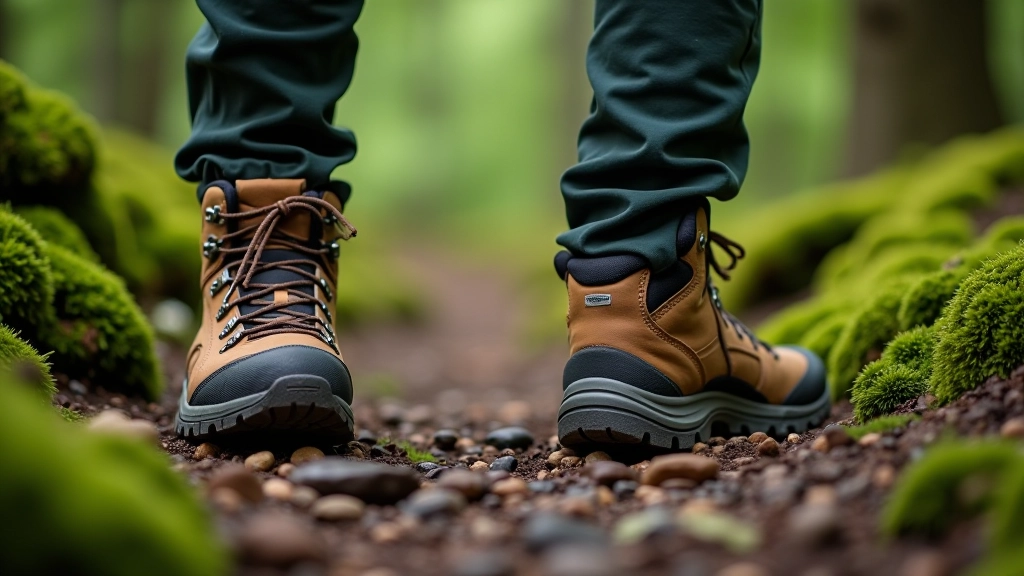
Proper footwear matters. Trail shoes with grip beat regular sneakers. The paths can be slippery, especially on stone sections after moisture.
Pack snacks and water. There's no shop on the route itself. Bring more than you think you'll need — kids always want more when they're hiking.
Real Talk About Doing This with Kids
Here's what actually happens: The Lower Lake loop works brilliantly for families with kids aged 5-8. They find it engaging without being exhausting. The Upper Lake extension separates the capable hikers from the reluctant ones — some kids find the extra elevation change interesting, others hit a wall around the 5km mark and start dragging.
The combined route is genuine work. Not dangerous or technical, but it demands sustained effort. If your kids are used to walking 7+ kilometers regularly, you're fine. If they usually max out at a couple kilometers, be realistic about which route suits them.
Don't try to rush it. Families who move slowly, stop frequently, and let kids explore at their own pace enjoy it far more than those grinding through to "complete the route."
Weather changes fast in the valley — you can start in decent conditions and find yourself in cloud and drizzle within an hour. This is actually fine for kids; they find it atmospheric. Just ensure everyone has waterproofs and nobody's in cotton clothing that turns useless when wet.
Is It Worth the Drive?
Yes, genuinely. Glendalough delivers on multiple levels — the walking is manageable, the scenery is legitimately beautiful, and there's actual history and interest beyond just "here's a trail." Kids don't just tolerate it; many actually ask to come back.
Pick the route that matches your family's fitness level, bring proper gear, plan for the weather, and go with expectations set for a genuine outdoor day rather than a quick tick-box hike. That's when it becomes something worth remembering.
Important Information
This article is informational and educational in nature. Walking and hiking in mountainous terrain carries inherent risks including weather changes, uneven surfaces, and variable trail conditions. Always check current weather forecasts before departing, carry appropriate safety equipment and clothing, and ensure all participants are physically capable of the intended route. Weather, trail conditions, and closures can change without notice — verify current conditions with the Glendalough Visitor Centre before your visit. Parents and guardians are responsible for assessing their children's abilities and choosing appropriate routes. If you're unfamiliar with hill walking, consider hiring a qualified local guide or joining an organized group.