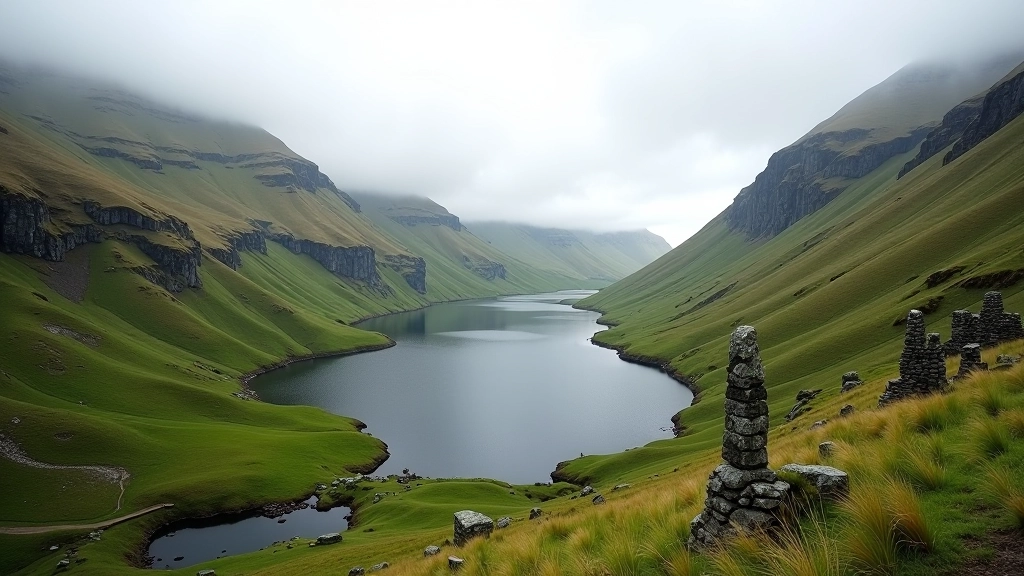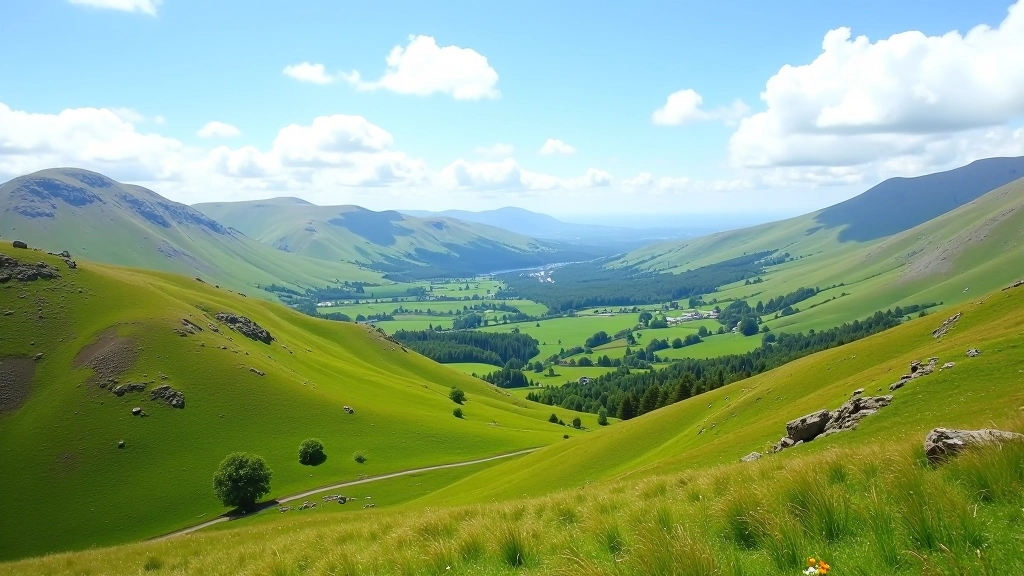
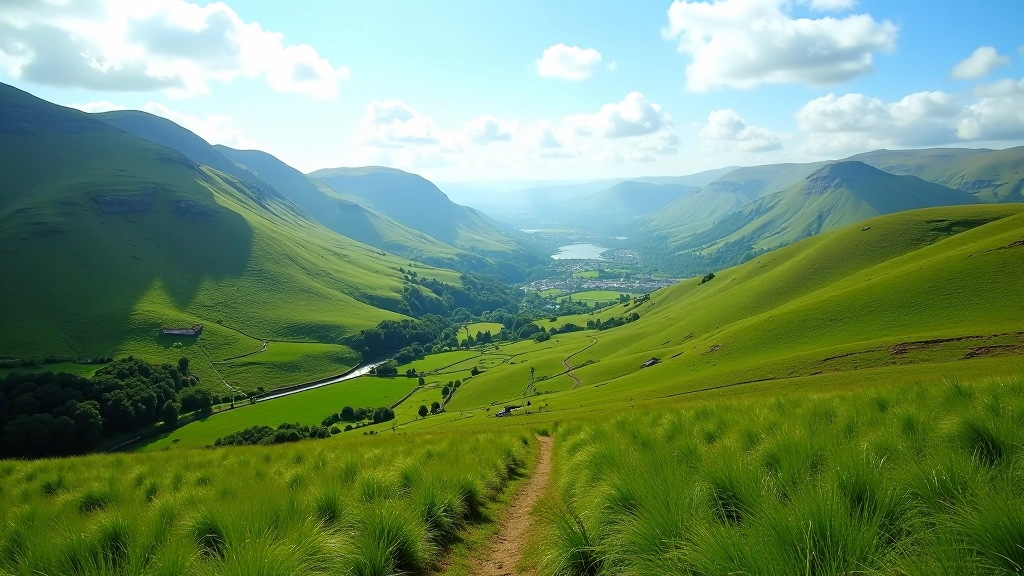
Easy Day Hikes in Kerry — Where to Start
Three beginner-friendly routes that take 2-3 hours. All have clear paths, minimal elevation gain, and brilliant views.
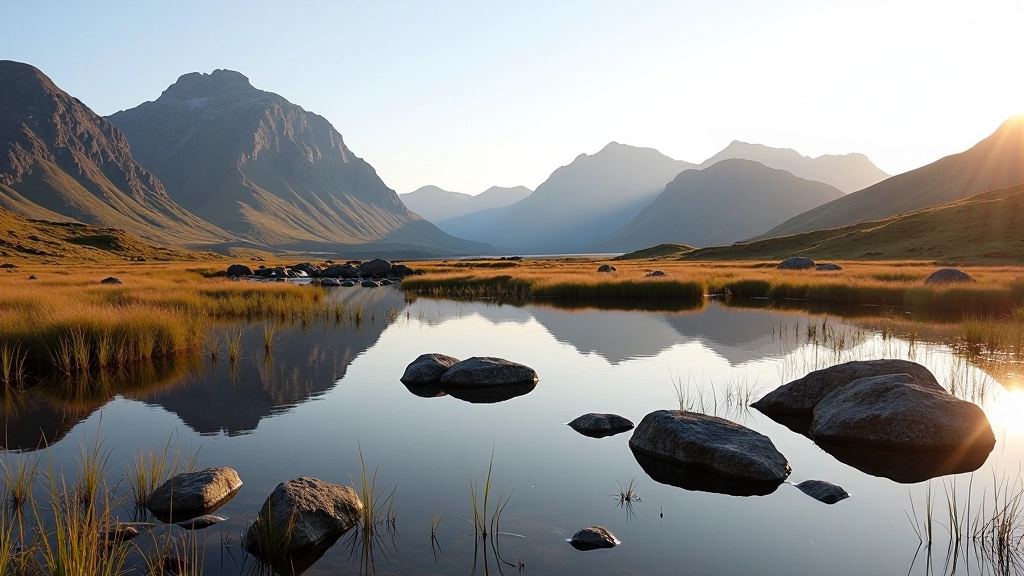
Circular walks that start and end at the same point. Boggy ground but well-marked paths. Spectacular mountain and coastal views without requiring peak fitness.
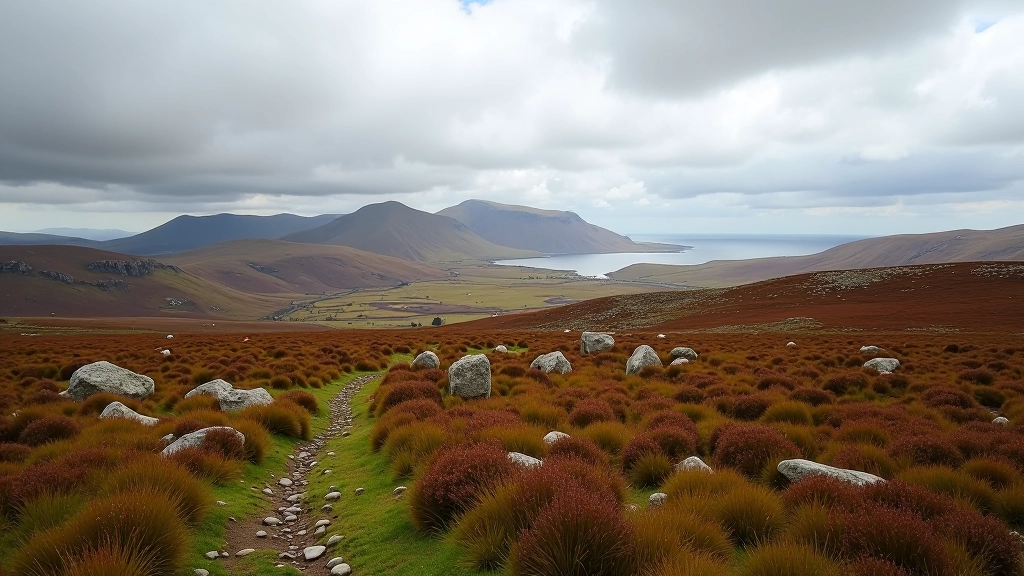

Loop walks are brilliant because you're not retracing the same path twice. That mental shift matters more than you'd think. Instead of heading out knowing you've got to return the exact same way, you're exploring a complete circuit. It feels like an achievement rather than a workout.
Connemara's loop routes deliver on this promise. You'll find well-maintained paths, clear signage at most junctions, and enough variation in scenery that the walk stays interesting. The terrain is bog and moorland — soft underfoot, which is easier on joints than rocky trails. You won't need special fitness. What you do need is decent weather, proper footwear, and realistic expectations about pacing.

This is the most popular loop in Connemara and honestly, it's worth the crowds. The route starts near Letterfrack and circles around the base of the Twelve Bens mountains. You're never climbing steeply — it's mostly gentle undulation with bog paths that can get wet but don't require scrambling.
What makes it special? The views change constantly. In the first hour you're looking up at Benbaun and Bencullagh. By the midpoint you've swung around to see Killary Harbour opening up — that narrow fjord between Connemara and Leenane. The final stretch loops back through conifer plantations, which feels like walking through a green tunnel.
Start early. The car park fills up by 10am on weekends. Bring a waterproof because bog can turn into puddles without warning, even on dry days. The path is marked with painted rocks and occasional cairns — don't rely on these alone if visibility drops, but they're usually adequate in decent weather.
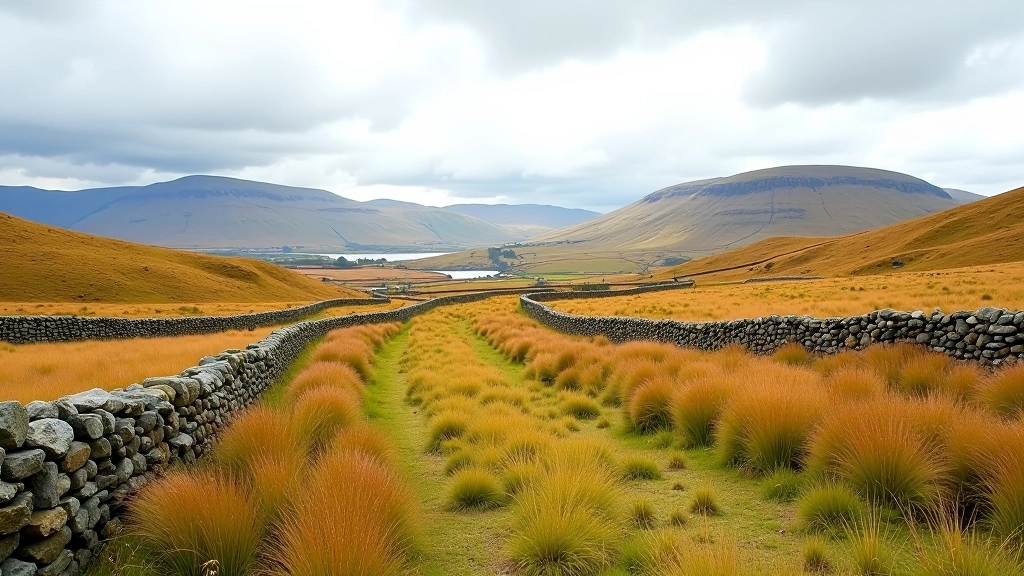
Looking for something slightly less crowded? The Inagh Valley walk ticks that box. It's actually easier than the Twelve Bens circuit — flatter terrain, more sheltered by the valley sides, and fewer exposed sections. You're walking alongside the Inagh River for much of it, which adds water sounds and greenery.
This loop works brilliantly in iffy weather. You won't have the panoramic views you'd get on higher ground, but you're protected from wind and the valley creates its own microclimate. On a drizzly day, this can feel quite atmospheric — waterfalls cascading down the cliffs, mist sitting low. It's moody rather than dramatic, which some people prefer.
The route is clearly marked and the ground's well-trodden. There's a small car park at Inagh, and the path leaves from there, looping back to the same spot. Total elevation gain is maybe 150 meters spread across the walk — nothing sudden. Good choice if you're recovering from illness or want to build up confidence before tackling bigger routes.
Boggy terrain isn't dangerous but it demands different footwork. Keep your weight forward, take shorter steps, and don't panic if you sink slightly. Good boots with ankle support make a huge difference. Waterproof socks aren't essential but they're worth the small investment.
Connemara weather's unpredictable. You can start in sunshine and hit mist within an hour as you gain elevation. Always bring a windproof layer and waterproof jacket, even if the forecast looks perfect. Visibility can drop suddenly, so starting early gives you buffer time.
Bog walking's slower than road walking. The same distance takes longer because your feet aren't gripping solid ground the same way. Don't use normal hiking pace estimates. Add 20-30 minutes to what you'd expect on a regular trail. This isn't failure — it's just how it works.
Streams cross these routes regularly. You'll find water for refilling bottles, though you should filter it or carry purification tablets if you're drinking directly. Don't rely solely on stream water though — bring at least one liter from the car park.
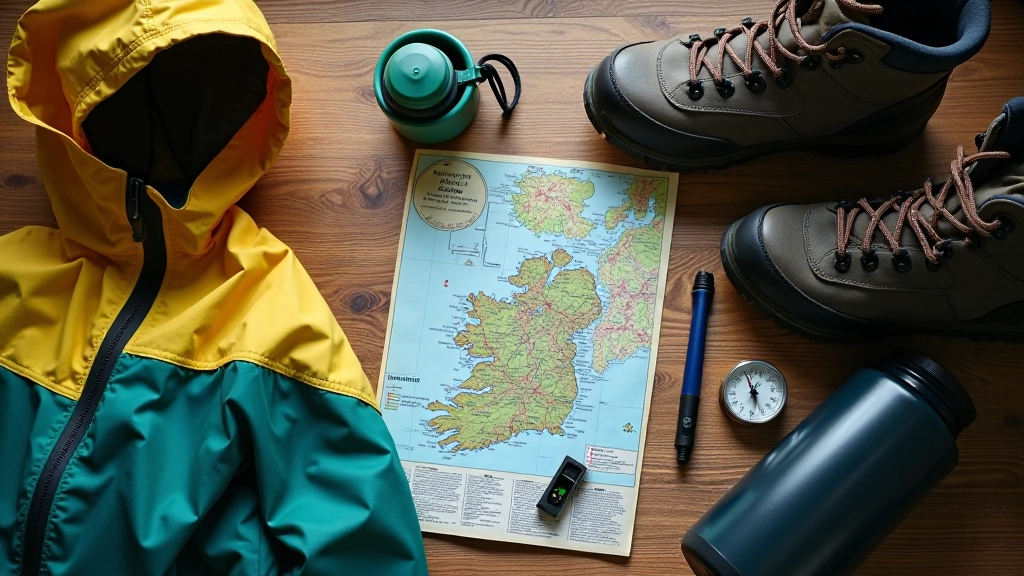
There's a difference between what hiking websites say you need and what you'll actually use on a Connemara loop walk. Here's the honest breakdown:
Loop walks take the pressure off. You're not grinding toward a summit. You're not stuck doing the same route in reverse. Instead you're moving through a landscape that constantly changes direction, and that psychological shift matters. Connemara's loops deliver real scenery — mountains that feel genuine, coastline that opens up unexpectedly, bog that feels like you're walking through something ancient and separate from normal life.
These aren't extreme hikes. You won't need technical climbing skills or exceptional fitness. What you do need is realistic expectations about pacing on bog, proper clothing for Irish weather, and enough time to move at the landscape's pace rather than trying to force your own rhythm onto it. Get those things right and you'll understand why people come back to Connemara repeatedly.
Start with the Inagh Valley if you want a gentler introduction. Try the Twelve Bens if you're ready for more exposed views and slightly more demanding terrain. Both deliver the loop experience — leaving from one place and returning without retracing your steps. That's the whole appeal right there.
This article provides educational information about hiking routes in Connemara for beginners. Outdoor walking involves inherent risks including weather changes, uneven terrain, and exposure. Always check current weather forecasts, trail conditions, and local advisories before heading out. Wear appropriate gear, bring sufficient water and supplies, and consider hiring a qualified guide if you're new to hiking. Your safety is your responsibility. This content is intended to inform and educate — not as a substitute for professional guidance or experience. Walk within your own fitness level and always let someone know your planned route and expected return time.